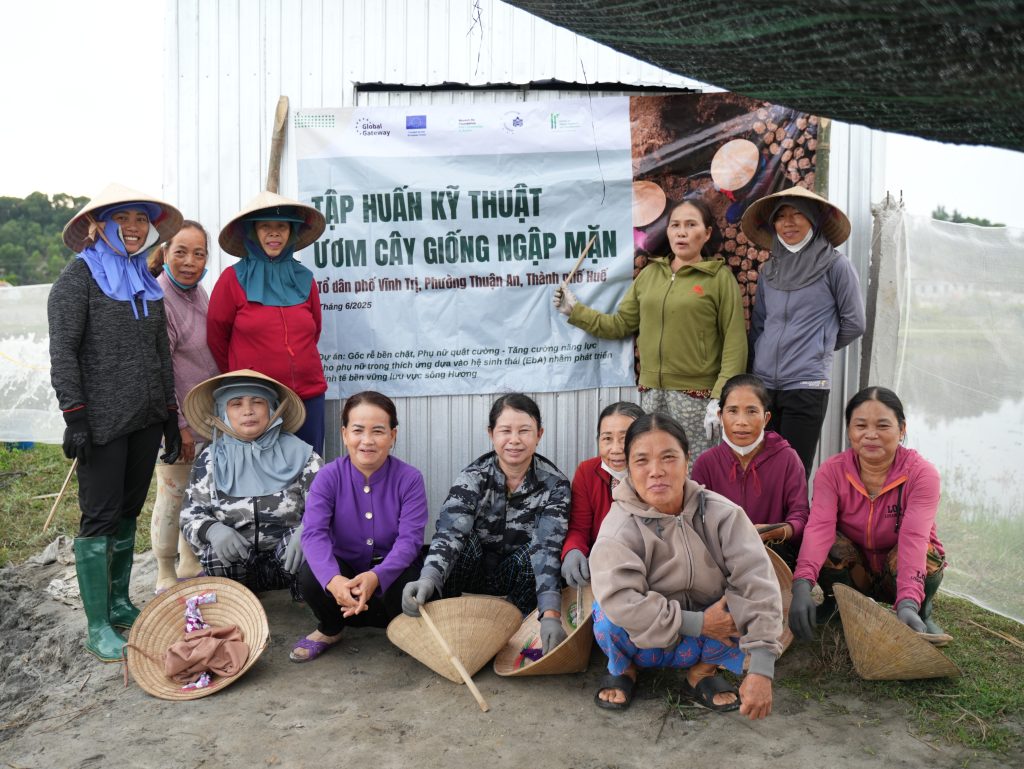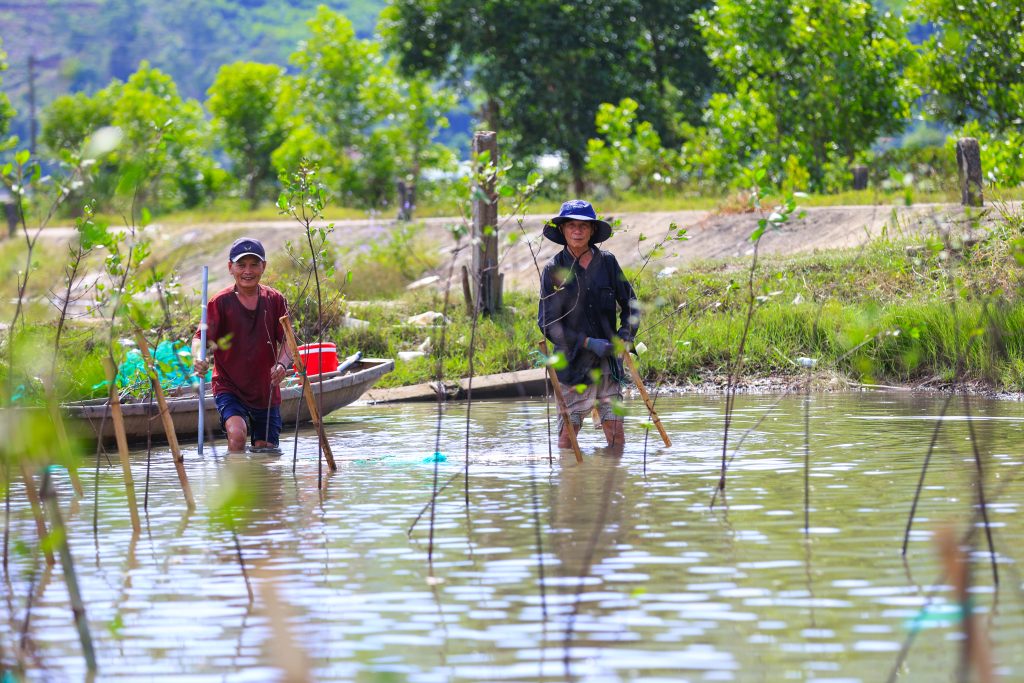
Mangroves are among the most valuable ecosystems in coastal regions. By reducing wave and tidal energy by up to 50%, mangroves help prevent shorelines erosion, reduce disaster risks, and protect the livelihoods of coastal communities. At the same time, mangroves are among the world’s most important blue carbon storage ecosystems, storing exceptionally large amount of carbon. They therefore play a crucial role in reducing greenhouse gas emissions and strengthening climate change mitigation efforts
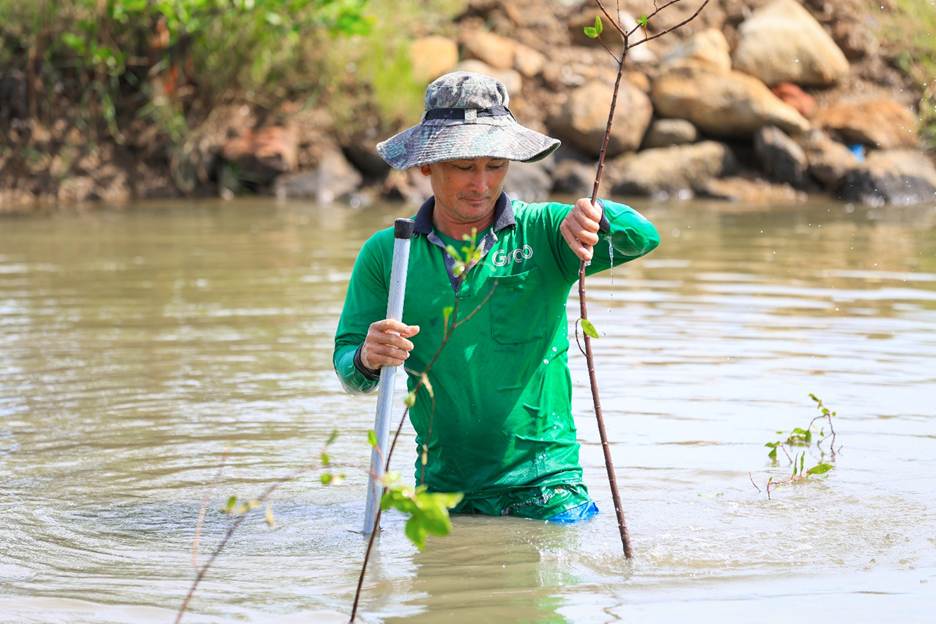
Beyond their environmental significance, mangroves also provide substantial economic, social, and cultural value especially for poor and vulnerable communities whose livelihoods depend directly on natural resources.
Planting and restoring mangroves provide numerous practical benefits, including:
Landscape Restoration and Expansion of Green Cover
Protection of Lagoon Banks and Dykes, and Reduction of Erosion
The dense root systems of mangrove apple trees (Sonneratia caseolaris) act as natural barriers, reducing the energy of waves and water currents before they reach the shoreline. At the same time, the roots trap sediments and stabilize the soil, helping protect lagoon banks and aquaculture dykes from erosion during the rainy and storm seasons, while reducing maintenance and reinforcement costs for local communities.
Environmental Improvement and Biodiversity Conservation
Mangroves are often described as “natural biological filters” because they help absorb organic matter, trap sediments, and improve the quality of coastal waters. By storing large amounts of blue carbon in their biomass and underlying sediments, mangrove ecosystems make an important contribution to reducing greenhouse gas emissions and supporting climate change mitigation. Their extensive root systems also provide ideal habitats for aquatic species and waterbirds to feed, shelter, and breed, contributing to the recovery of natural fisheries resources and the conservation of biodiversity.
Supporting Sustainable Aquaculture
Mangrove belts form ecological buffer zones between natural lagoons and aquaculture areas. These buffer zones help stabilize water quality, reduce the spread of pathogens from the surrounding environment, and enable local communities to adopt more environmentally sustainable aquaculture practices, enhancing both economic benefits and long-term sustainability.
Planting and restoring mangroves yield numerous practical benefits, including:
– Landscape Restoration and Expansion of Green Cover
Mangrove planting creates natural green belts along lagoons, helping regulate local microclimates, restore distinctive coastal landscapes, and strengthen ecosystem resilience to the impacts of climate change.
– Protection of Lagoon Banks and Dykes, and Erosion Mitigation
The dense root systems of mangrove apple trees (Sonneratia caseolaris) act as a natural shield, dampening wave energy and water currents before they reach the shore. In addition, the roots trap sediment and stabilize the soil, helping protect lagoon banks and aquaculture dykes from erosion during the rainy and storm seasons, thereby reducing maintenance and reinforcement costs for local residents.
– Environmental Improvement and Biodiversity Conservation
Often described as to as “biological filters,” mangroves help absorb organic matter, retain sediments, and improve coastal water quality. By storing significant amounts of Blue Carbon in their biomass and underlying sediment, these ecosystems contribute to reducing greenhouse gas emissions and supporting climate change mitigation efforts. Furthermore, the root systems create ideal habitats for aquatic species and waterbirds to shelter, feed, and breed, contributing to the recovery of natural fishery resources and the conservation of biodiversity.
– Support for Sustainable Aquaculture
Mangrove belts form ecological buffer zones between natural lagoons and aquaculture areas. This buffer zones help maintain water quality, reduce the impacts of pathogens from the surrounding environment, and support local communities in developing in developing environmentally sustainable aquaculture practices that improve livelihoods and promote.long-term sustainability.
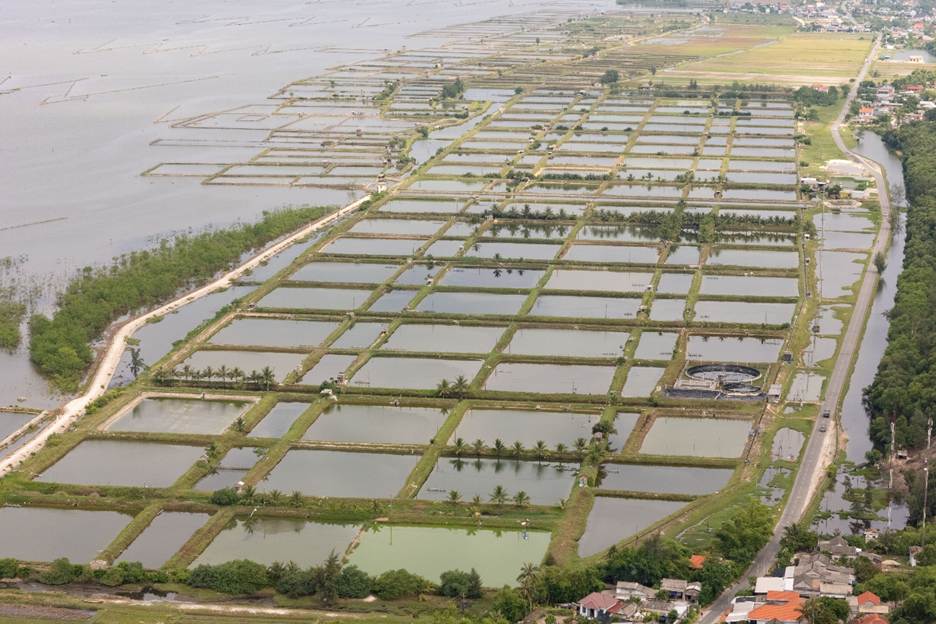
For nearly two decades, the Centre for Social Research and Development (CSRD) has worked with local authorities and communities to implement a wide range of mangrove restoration initiatives in Hue . These efforts have gradually expanded forest coverage and promoting community-based restoration models. Key milestones include:- 2010: Mangrove species such as Sonneratia, Aegiceras, Avicennia, and Rhizophora were planted at Con Te, Huong Phong Commune (now Hoa Chau Ward, Hue City) through the project “Community-based Climate Change Adaptation and Water Resources Management in Thua Thien Hue Province,” funded by the Netherlands Directorate-General for International Cooperation (DGIS)..
– 2018 – 2022: a total of 6.25 hectares of mangrove forest were restored in Hai Duong Commune (now Thuan An Ward, Hue City).- 2024: One hectare of mangrove forest was established at the Con Chim Aquatic Resource Protection Area, Phu Gia Commune (now Phu Vang Commune, Hue City).
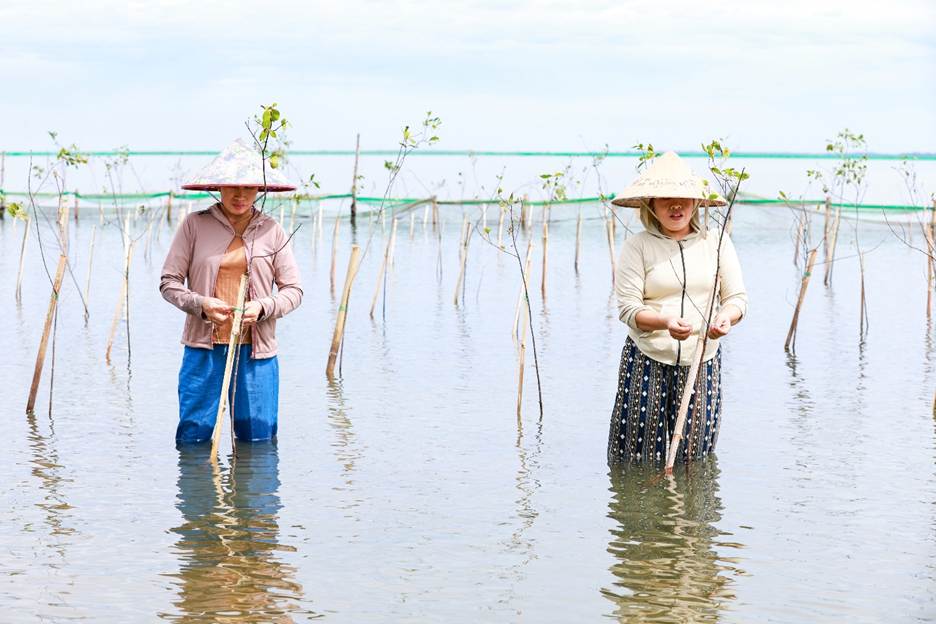
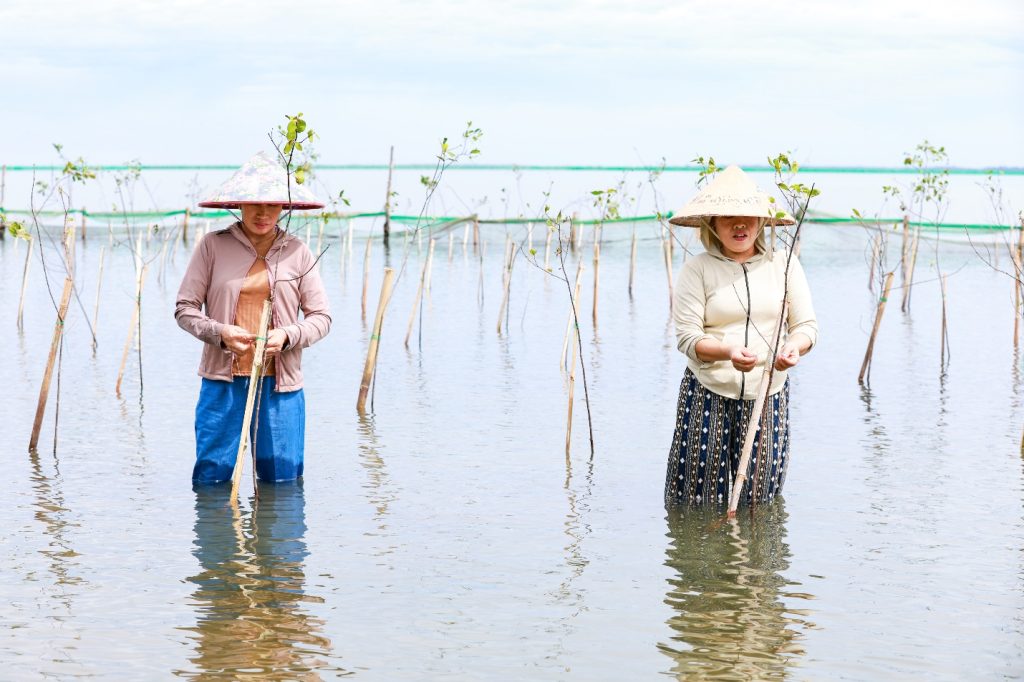
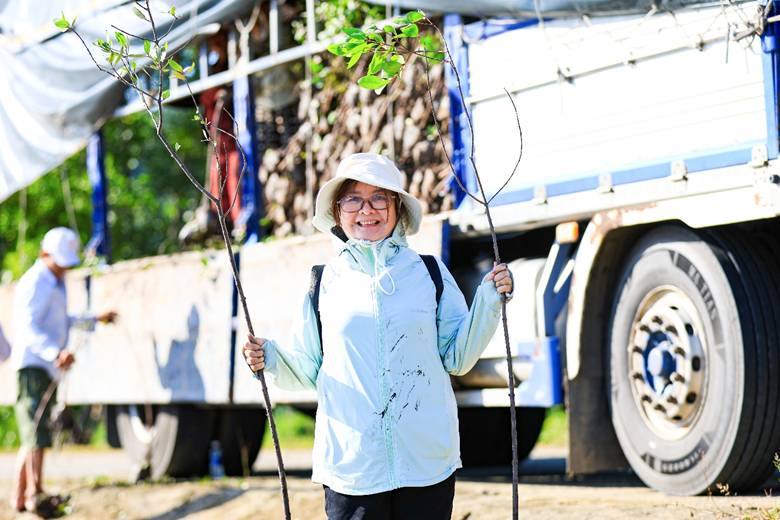
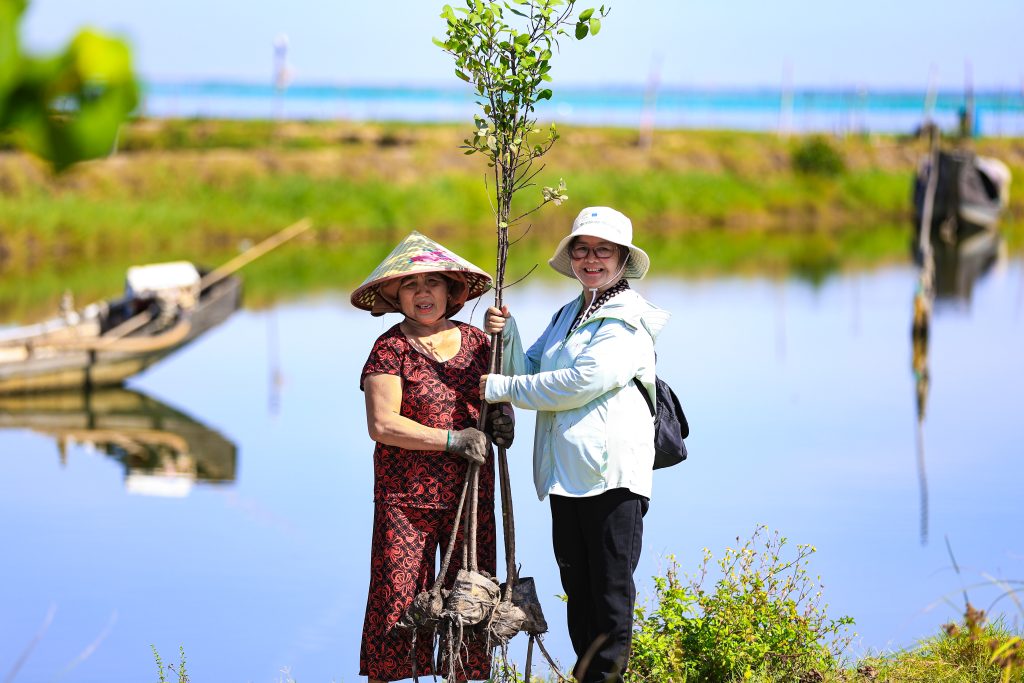
– 2025: A total of 10,000 mangrove apple trees (Sonneratia caseolaris) were planted in a dispersed pattern in Phu Hai Commune (now Thuan An Ward) and Phu Gia Commune (now Phu Vang Commune), Hue City.
– 2026: CSRD continued mangrove restoration by planting 2,800 mangrove apple trees (Sonneratia caseolaris) on 0.7 hectares of saline wetlands, together with another 3,200 trees in a dispersed pattern around aquaculture ponds in Phu Loc Commune, Hue City
These achievements have not only expanded mangrove coverage but also strengthened community awareness of the vital role that nature-based solutions play in climate change adaptation, biodiversity conservation, and sustainable livelihood development.
On the occasion of the International Day for the Conservation of the Mangrove Ecosystem (26 July), CSRD reaffirms its commitment to working with local authorities, communities, and partners to restore and conserve mangrove ecosystems, while continuing to raise awareness of their indispensable role in coastal protection, climate change adaptation, biodiversity conservation, and sustainable livelihoods.
Every mangrove planted today is more than a step toward restoring nature—it is an investment in a greener, safer, and more resilient future for generations to come.
Designated by UNESCO, the International Day for the Conservation of the Mangrove Ecosystem serves as a global reminder of the indispensable role mangrove ecosystems play in conserving biodiversity, addressing climate change, and supporting sustainable development.