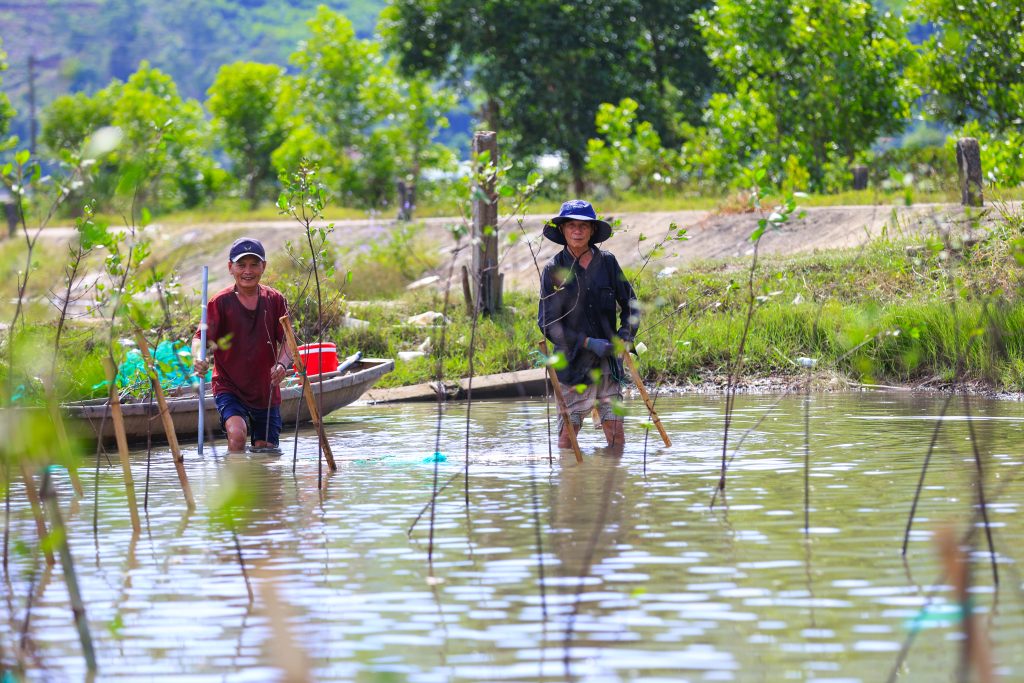
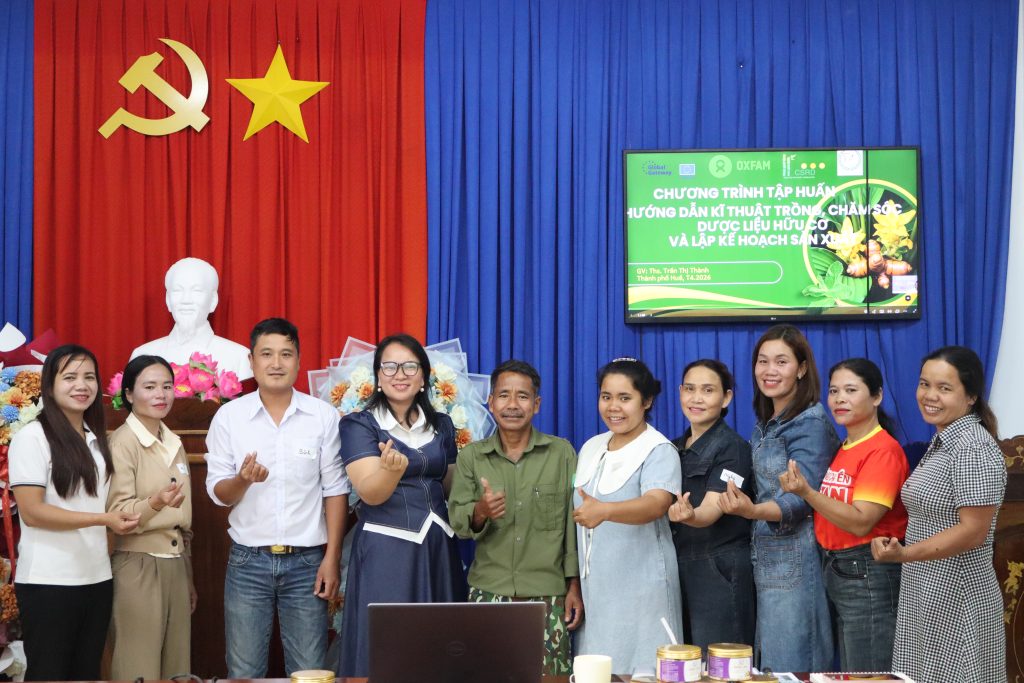
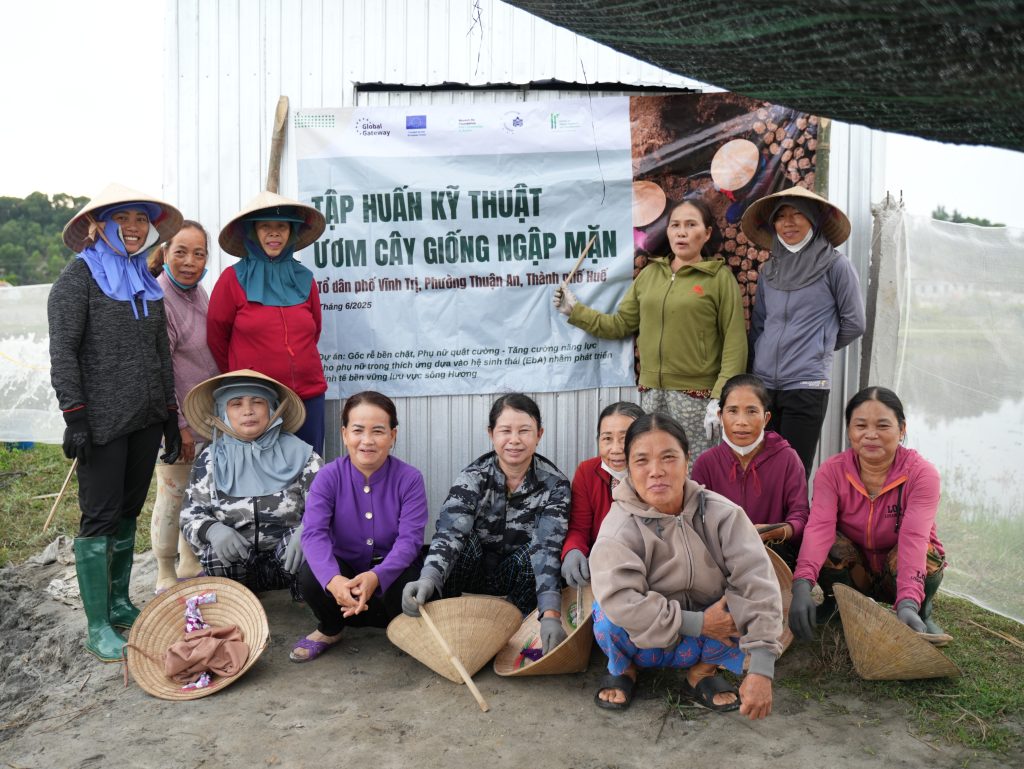
Mangroves are among the most valuable ecosystems in coastal regions. By reducing wave and tidal energy by up to 50%, mangroves help prevent shorelines erosion, reduce disaster risks, and protect the livelihoods of coastal communities. At the same time, mangroves are among the world’s most important blue carbon storage ecosystems, storing exceptionally large amount of carbon. They therefore play a crucial role in reducing greenhouse gas emissions and strengthening climate change mitigation efforts
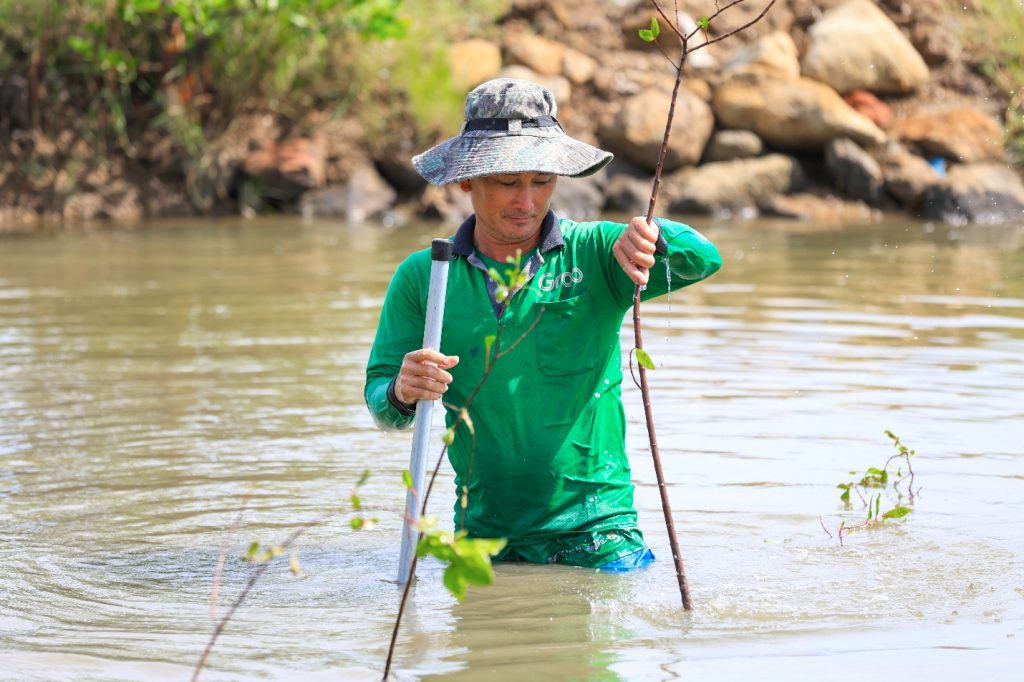
Beyond their environmental significance, mangroves also provide substantial economic, social, and cultural value especially for poor and vulnerable communities whose livelihoods depend directly on natural resources.
Planting and restoring mangroves provide numerous practical benefits, including:
Landscape Restoration and Expansion of Green Cover
Protection of Lagoon Banks and Dykes, and Reduction of Erosion
The dense root systems of mangrove apple trees (Sonneratia caseolaris) act as natural barriers, reducing the energy of waves and water currents before they reach the shoreline. At the same time, the roots trap sediments and stabilize the soil, helping protect lagoon banks and aquaculture dykes from erosion during the rainy and storm seasons, while reducing maintenance and reinforcement costs for local communities.
Environmental Improvement and Biodiversity Conservation
Mangroves are often described as “natural biological filters” because they help absorb organic matter, trap sediments, and improve the quality of coastal waters. By storing large amounts of blue carbon in their biomass and underlying sediments, mangrove ecosystems make an important contribution to reducing greenhouse gas emissions and supporting climate change mitigation. Their extensive root systems also provide ideal habitats for aquatic species and waterbirds to feed, shelter, and breed, contributing to the recovery of natural fisheries resources and the conservation of biodiversity.
Supporting Sustainable Aquaculture
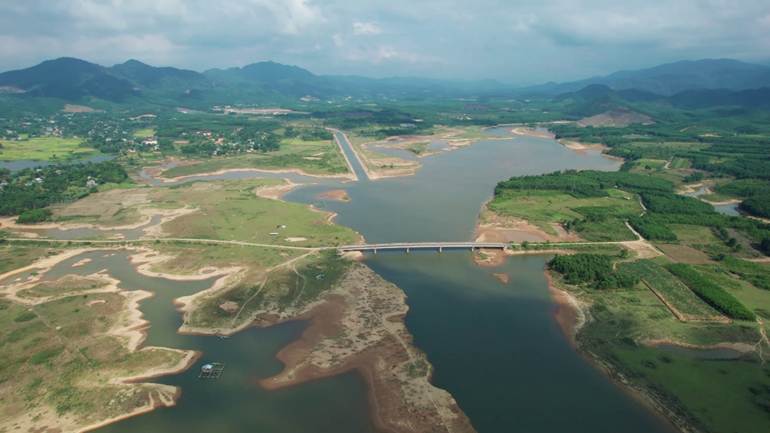
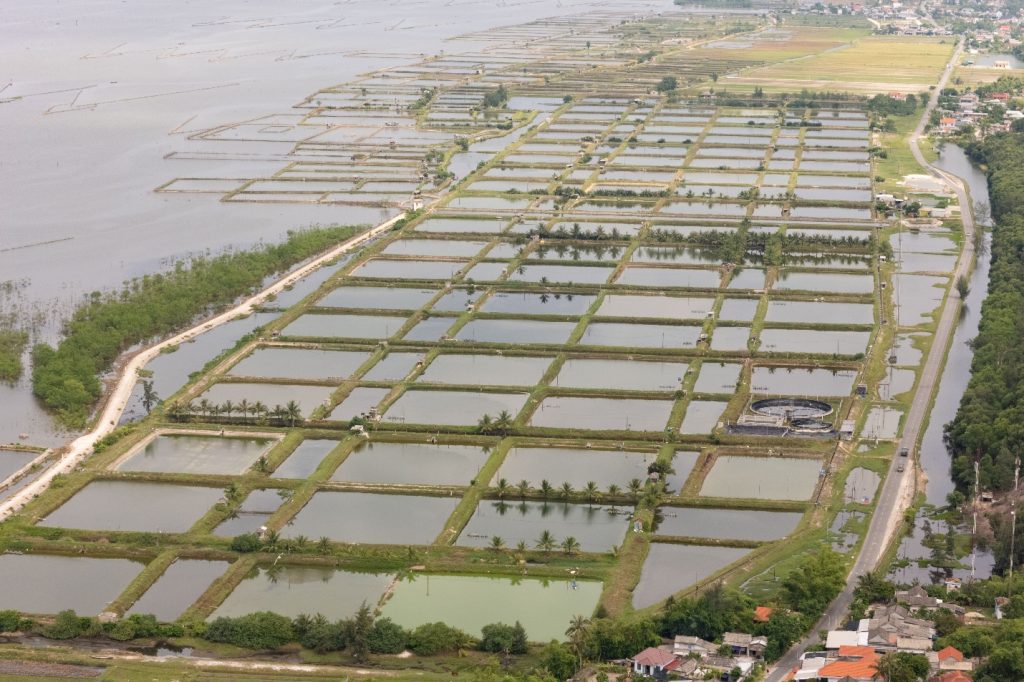
Mangrove belts form ecological buffer zones between natural lagoons and aquaculture areas. These buffer zones help stabilize water quality, reduce the spread of pathogens from the surrounding environment, and enable local communities to adopt more environmentally sustainable aquaculture practices, enhancing both economic benefits and long-term sustainability.
Planting and restoring mangroves yield numerous practical benefits, including:
– Landscape Restoration and Expansion of Green Cover
Mangrove planting creates natural green belts along lagoons, helping regulate local microclimates, restore distinctive coastal landscapes, and strengthen ecosystem resilience to the impacts of climate change.
– Protection of Lagoon Banks and Dykes, and Erosion Mitigation
The dense root systems of mangrove apple trees (Sonneratia caseolaris) act as a natural shield, dampening wave energy and water currents before they reach the shore. In addition, the roots trap sediment and stabilize the soil, helping protect lagoon banks and aquaculture dykes from erosion during the rainy and storm seasons, thereby reducing maintenance and reinforcement costs for local residents.
– Environmental Improvement and Biodiversity Conservation
Often described as to as “biological filters,” mangroves help absorb organic matter, retain sediments, and improve coastal water quality. By storing significant amounts of Blue Carbon in their biomass and underlying sediment, these ecosystems contribute to reducing greenhouse gas emissions and supporting climate change mitigation efforts. Furthermore, the root systems create ideal habitats for aquatic species and waterbirds to shelter, feed, and breed, contributing to the recovery of natural fishery resources and the conservation of biodiversity.
– Support for Sustainable Aquaculture
Mangrove belts form ecological buffer zones between natural lagoons and aquaculture areas. This buffer zones help maintain water quality, reduce the impacts of pathogens from the surrounding environment, and support local communities in developing in developing environmentally sustainable aquaculture practices that improve livelihoods and promote.long-term sustainability.
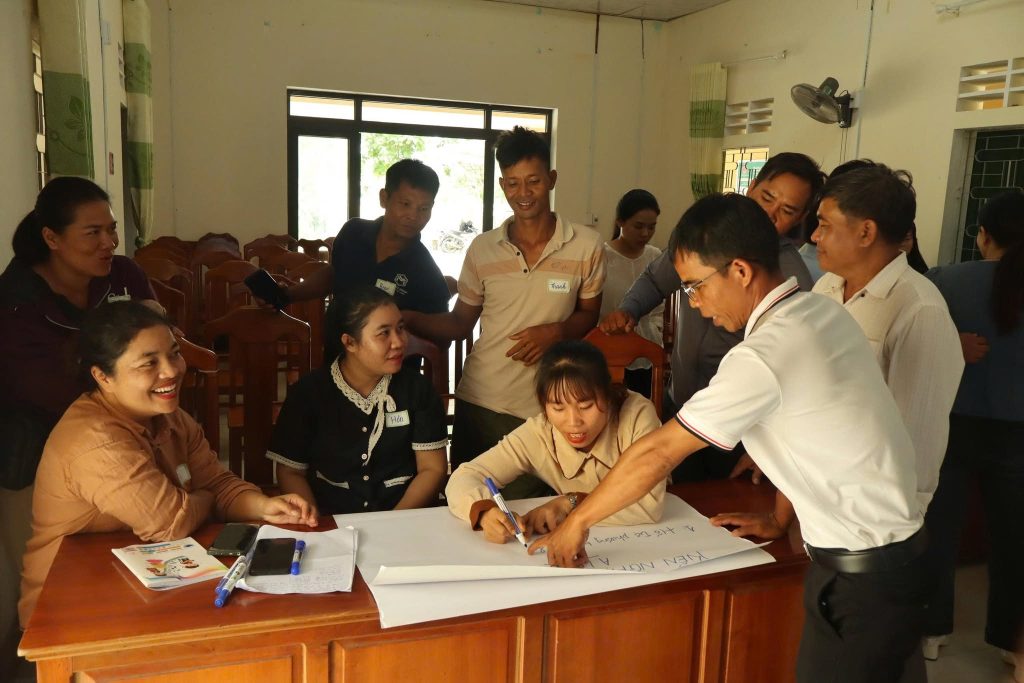
For nearly two decades, the Centre for Social Research and Development (CSRD) has worked with local authorities and communities to implement a wide range of mangrove restoration initiatives in Hue . These efforts have gradually expanded forest coverage and promoting community-based restoration models. Key milestones include:- 2010: Mangrove species such as Sonneratia, Aegiceras, Avicennia, and Rhizophora were planted at Con Te, Huong Phong Commune (now Hoa Chau Ward, Hue City) through the project “Community-based Climate Change Adaptation and Water Resources Management in Thua Thien Hue Province,” funded by the Netherlands Directorate-General for International Cooperation (DGIS)..
– 2018 – 2022: a total of 6.25 hectares of mangrove forest were restored in Hai Duong Commune (now Thuan An Ward, Hue City).- 2024: One hectare of mangrove forest was established at the Con Chim Aquatic Resource Protection Area, Phu Gia Commune (now Phu Vang Commune, Hue City).
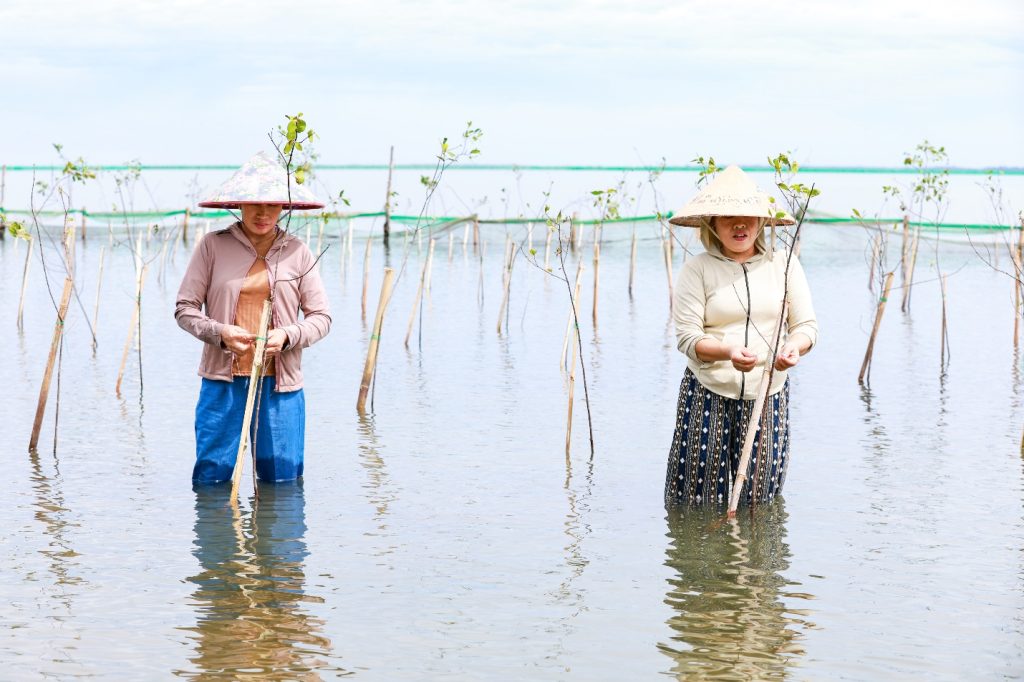
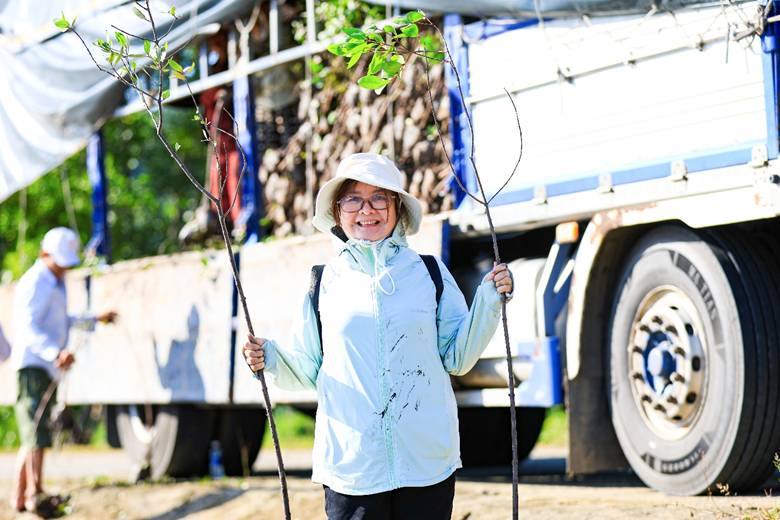
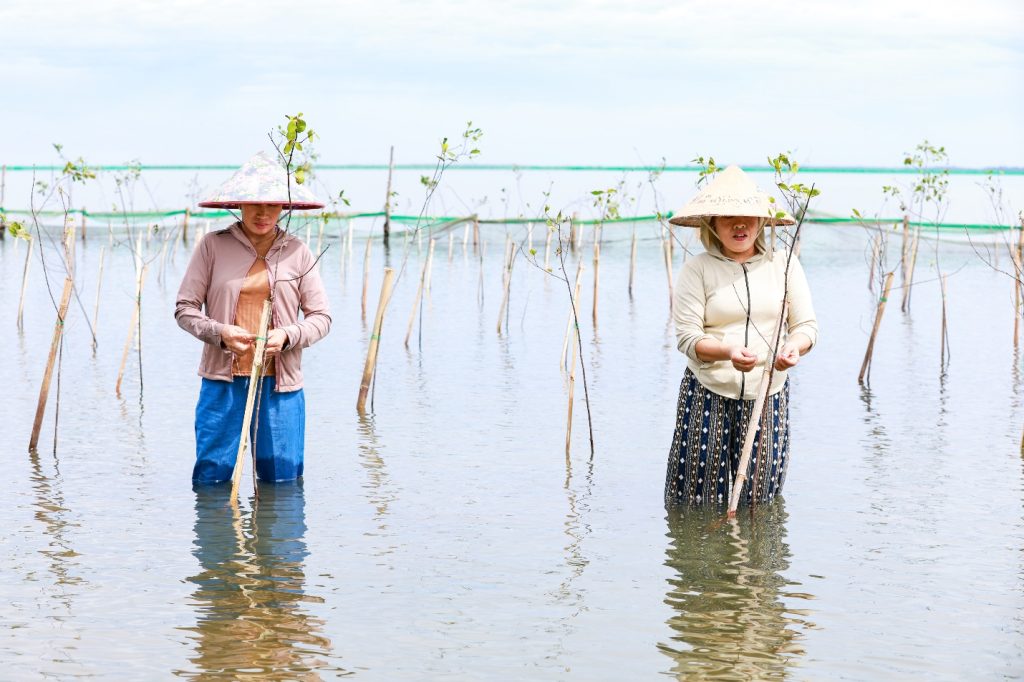
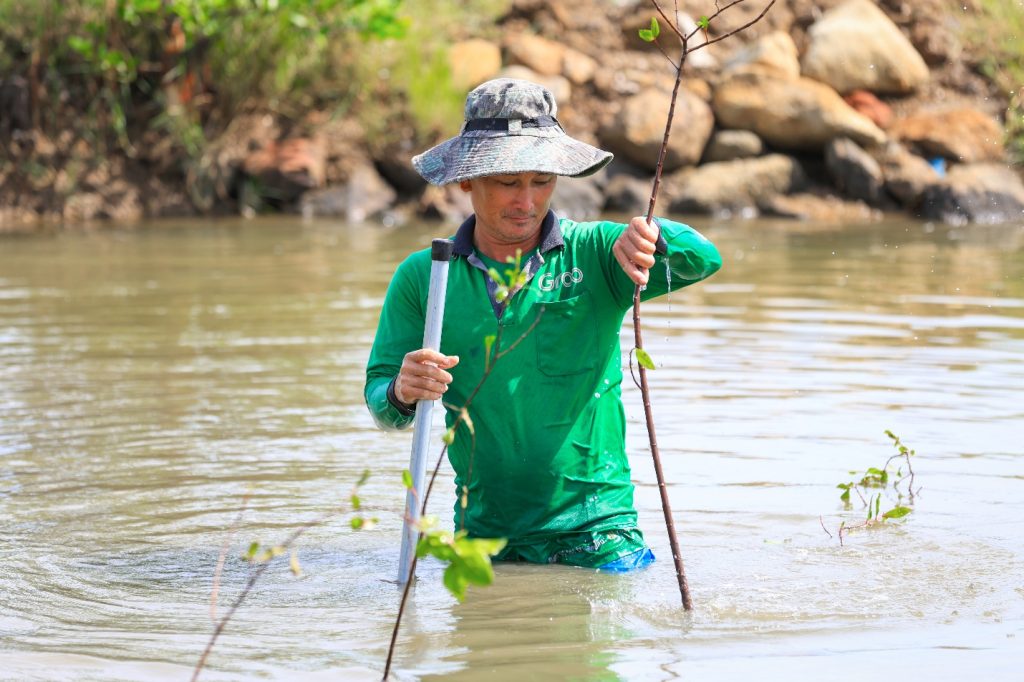
– 2025: A total of 10,000 mangrove apple trees (Sonneratia caseolaris) were planted in a dispersed pattern in Phu Hai Commune (now Thuan An Ward) and Phu Gia Commune (now Phu Vang Commune), Hue City.
– 2026: CSRD continued mangrove restoration by planting 2,800 mangrove apple trees (Sonneratia caseolaris) on 0.7 hectares of saline wetlands, together with another 3,200 trees in a dispersed pattern around aquaculture ponds in Phu Loc Commune, Hue City
These achievements have not only expanded mangrove coverage but also strengthened community awareness of the vital role that nature-based solutions play in climate change adaptation, biodiversity conservation, and sustainable livelihood development.
On the occasion of the International Day for the Conservation of the Mangrove Ecosystem (26 July), CSRD reaffirms its commitment to working with local authorities, communities, and partners to restore and conserve mangrove ecosystems, while continuing to raise awareness of their indispensable role in coastal protection, climate change adaptation, biodiversity conservation, and sustainable livelihoods.
Every mangrove planted today is more than a step toward restoring nature—it is an investment in a greener, safer, and more resilient future for generations to come.
Designated by UNESCO, the International Day for the Conservation of the Mangrove Ecosystem serves as a global reminder of the indispensable role mangrove ecosystems play in conserving biodiversity, addressing climate change, and supporting sustainable development.
.
HƯỞNG ỨNG NGÀY QUỐC TẾ BẢO TỒN HỆ SINH THÁI RỪNG NGẬP MẶN 26.7.2026
Rừng ngập mặn là một trong những hệ sinh thái có giá trị nhất đối với vùng ven biển. Với khả năng làm giảm tới khoảng 50% năng lượng sóng và thủy triều, rừng ngập mặn góp phần hạn chế xói lở bờ biển, giảm thiểu rủi ro thiên tai và bảo vệ sinh kế của cộng đồng ven biển. Đồng thời, đây cũng là một trong những hệ sinh thái lưu trữ lượng carbon xanh cao nhất trên thế giới, góp phần quan trọng trong giảm phát thải khí nhà kính và ứng phó với biến đổi khí hậu.
Không chỉ mang ý nghĩa về môi trường, rừng ngập mặn còn tạo ra nhiều giá trị kinh tế, xã hội và văn hóa, đặc biệt đối với các cộng đồng nghèo và dễ bị tổn thương sống phụ thuộc vào tài nguyên thiên nhiên.
Trồng và phục hồi rừng ngập mặn mang lại nhiều lợi ích thiết thực, bao gồm:
– Phục hồi cảnh quan và gia tăng độ che phủ xanh
Việc trồng rừng ngập mặn tạo nên các vành đai xanh tự nhiên ven đầm phá, góp phần điều hòa vi khí hậu, phục hồi cảnh quan sinh thái đặc trưng và tăng khả năng thích ứng của hệ sinh thái trước tác động của biến đổi khí hậu.
– Bảo vệ bờ phá, đê bao và giảm thiểu xói lở
Hệ thống rễ dày đặc của cây bần chua hoạt động như một lá chắn tự nhiên, giúp làm suy giảm năng lượng của sóng và dòng chảy trước khi tác động vào bờ. Đồng thời, bộ rễ còn giữ bùn, cố định nền đất, góp phần bảo vệ bờ phá và các bờ bao nuôi trồng thủy sản khỏi nguy cơ sạt lở trong mùa mưa bão, qua đó giảm chi phí duy tu, gia cố công trình cho người dân.
– Cải thiện chất lượng môi trường và bảo tồn đa dạng sinh học
Rừng ngập mặn được ví như một “bộ lọc sinh học”, góp phần hấp thụ một phần chất hữu cơ, giữ lại trầm tích và cải thiện chất lượng môi trường nước ven bờ. Đồng thời, với khả năng lưu giữ lượng lớn carbon xanh (Blue Carbon) trong sinh khối và lớp trầm tích dưới tán rừng, hệ sinh thái này góp phần giảm phát thải khí nhà kính và ứng phó với biến đổi khí hậu. Hệ thống rễ của cây bần chua tạo nên sinh cảnh lý tưởng cho nhiều loài thủy sinh và chim nước sinh sống, kiếm ăn và sinh sản, góp phần phục hồi nguồn lợi thủy sản tự nhiên và bảo tồn đa dạng sinh học.
– Hỗ trợ phát triển nuôi trồng thủy sản theo hướng bền vững
Các vành đai cây ngập mặn tạo nên vùng đệm sinh thái giữa đầm phá tự nhiên và khu vực nuôi trồng thủy sản. Vùng đệm này góp phần ổn định chất lượng nguồn nước, hạn chế tác động của mầm bệnh từ môi trường bên ngoài và tạo điều kiện để người dân phát triển các mô hình nuôi trồng thủy sản theo hướng sinh thái, nâng cao giá trị kinh tế và phát triển bền vững.
Trong gần 20 năm qua, Trung tâm Nghiên cứu và Phát triển Xã hội (CSRD) đã đồng hành cùng chính quyền địa phương và cộng đồng triển khai nhiều sáng kiến phục hồi hệ sinh thái rừng ngập mặn tại Thành phố Huế, từng bước mở rộng diện tích rừng và lan tỏa các mô hình phục hồi dựa vào cộng đồng. Một số dấu mốc nổi bật gồm:
– Năm 2010: Các loài cây ngập mặn như bần, sú, mắm và đước được trồng tại Cồn Tè, xã Hương Phong (nay thuộc phường Hóa Châu, Thành phố Huế) thông qua Dự án “Thích ứng với biến đổi khí hậu và quản lý tài nguyên nước cấp cộng đồng ở tỉnh Thừa Thiên Huế” do Tổng cục Hợp tác và Phát triển Hà Lan tài trợ.
– Giai đoạn 2018–2022: Trồng mới 6,25 ha rừng ngập mặn tại xã Hải Dương (nay thuộc phường Thuận An, Thành phố Huế).
– Năm 2024: Trồng mới 1 ha rừng ngập mặn tại Khu Bảo vệ nguồn lợi thủy sản Cồn Chìm, xã Phú Gia (nay thuộc xã Phú Vang, Thành phố Huế).
– Năm 2025: Trồng phân tán 10.000 cây bần chua tại xã Phú Hải (nay thuộc phường Thuận An) và xã Phú Gia (nay thuộc xã Phú Vang), Thành phố Huế.
– Năm 2026: Tiếp tục trồng tập trung 2.800 cây bần chua trên diện tích 0,7 ha đắt ngập nước mặn và 3.200 cây phân tán tại các ao nuôi trồng thủy sản ở xã Phú Lộc, Thành phố Huế.
Những kết quả trên không chỉ góp phần mở rộng diện tích rừng ngập mặn mà còn nâng cao nhận thức của cộng đồng về vai trò của các giải pháp dựa vào thiên nhiên trong thích ứng với biến đổi khí hậu, bảo tồn đa dạng sinh học và phát triển sinh kế bền vững.
Nhân Ngày Quốc tế Bảo tồn Hệ sinh thái Rừng ngập mặn (26/7), Trung tâm Nghiên cứu và Phát triển Xã hội (CSRD) mong muốn tiếp tục lan tỏa thông điệp về vai trò không thể thay thế của rừng ngập mặn trong bảo vệ bờ biển, ứng phó với biến đổi khí hậu, bảo tồn đa dạng sinh học và phát triển sinh kế bền vững.
Mỗi cây ngập mặn được trồng hôm nay không chỉ góp phần phục hồi hệ sinh thái mà còn là sự đầu tư cho một tương lai xanh, an toàn và bền vững cho các thế hệ mai sau.
Ngày Quốc tế Bảo tồn Hệ sinh thái Rừng ngập mặn được UNESCO lựa chọn nhằm nâng cao nhận thức toàn cầu về tầm quan trọng của hệ sinh thái đặc biệt này đối với đa dạng sinh học, ứng phó với biến đổi khí hậu và phát triển bền vững.